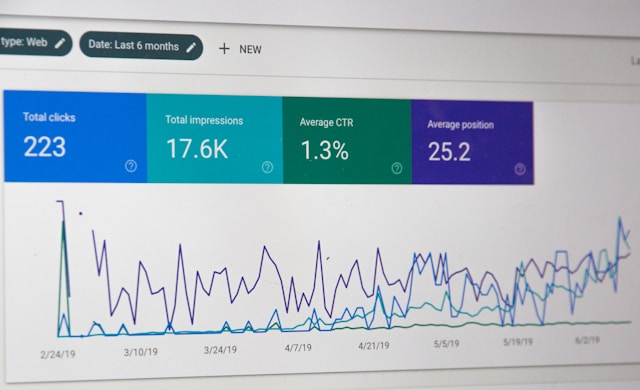
SEO is often misunderstood as a short campaign. A business pays for some optimisation work, waits a few months, rankings improve and the job appears done. But search behaviour changes constantly, competition evolves and technology shifts. A website that is not maintained begins to slide. The decline can be slow and invisible at first, but it eventually impacts enquiries and revenue. SEO is not a project. It is a discipline that supports visibility and trust every month.
We treat SEO as part of a website’s operating system. The way a business uses its website determines how long it stays relevant. Websites that are updated, refined and improved steadily outperform websites that remain static, even if the static site began stronger. Momentum is earned through consistency.
Search Engines Reward Relevance Over Time
Search engines aim to give people the most useful result based on intent. If someone searches for “roof leak repair in Bayswater”, Google wants to show businesses demonstrably serving Bayswater with strong indicators of insight into roof leak issues. Google does not choose based on which website was updated most recently or which business bought an expensive redesign. Google watches user signals. It wants to see whether visitors engage, whether they find what they came for and whether the website continues to earn trust.
A website aligned with customer behaviour will stay visible. But behaviour is not fixed. The questions people ask change. New competitors introduce different messaging. Seasons and economic conditions shape how buyers search. SEO that worked a year ago might be less effective now. A business that treats SEO like a one time achievement eventually finds itself outranked by competitors who stay aligned with customer needs.
Relevance is never final. It must be maintained.
Fresh Updates Show Customers And Google That The Business Is Active
If a website has not changed in years, both humans and search engines assume the information may no longer be accurate. This erodes trust before the business has a chance to prove anything. Updating content does not mean writing blog posts for the sake of blogging. It means ensuring the website reflects the business as it operates today.
Examples of healthy SEO habits include:
• Updating service descriptions when offerings or methods evolve
• Adding new locations served as the business expands
• Refreshing photos with recent real work instead of repeating old imagery
• Clarifying messaging based on questions customers ask during calls
• Rewriting pages to remove confusion and improve clarity
These improvements signal quality and commitment. They strengthen credibility for both search algorithms and people making decisions.
When a website consistently invests in stronger performance, visibility strengthens as a natural result.
Search Signals Come From Visitor Behaviour
SEO is no longer just technical. It is behavioural. Google observes whether users stay on a page, click deeper into the website and feel satisfied with the result. If a visitor clicks back immediately, Google infers that the content failed and ranks decline. If visitors engage strongly and enquire, that is a positive engagement signal that reinforces ranking strength.
In a previous article, we explored how a strong conversion pathway increases results without requiring more traffic. SEO complements this by bringing the right visitors into a strong pathway. The two depend on each other. A high converting website with poor visibility underperforms. A highly visible website with poor conversion wastes opportunities.
Search success comes from the combination. One without the other is limited.
Competitors Improve While You Stand Still
Even if a business does nothing wrong, competitors who continue improving eventually outrank it. This shift may not be noticeable until the impact reaches revenue. Businesses often believe SEO “stopped working” when in reality, competitors were simply more active.
Competitive movement is especially visible in local service industries. When one business adds more suburb pages or publishes updated images of recent work, search visibility shifts subtly in their favour. When multiple competitors do this, the business that remains static finds itself further down the results without understanding why.
A static website invites decline. Active maintenance protects visibility that was once earned.
Local SEO Must Stay Connected To The Real World
Google gives priority to businesses that demonstrate relevance to local searches. Local signals include mention of real suburbs, photos from local projects, and Google Business Profile updates that reflect real activity. If the business expands its service area or shifts focus to new types of work but the website never changes, Google and local customers will not realise the growth has occurred.
Here are two realistic examples that show how ongoing local SEO habits translate into results over time:
• A plumber begins mentioning burst pipe work in Ivanhoe on their main service page after noticing more enquiries from that suburb. Over a few months, search visibility for “burst pipes Ivanhoe” improves, generating additional emergency callouts during heavy rain seasons.
• A mechanic adds a page specifically for logbook servicing and updates it with photos of recent service work in Ringwood. Search behaviour shifts in favour of the mechanic when people nearby search for “logbook service Ringwood”, producing consistent new bookings each month.
These improvements are gradual but measurable. SEO momentum builds because the business consistently communicates what it truly offers and where.
Search Engines Prefer Websites That Perform Technically Well
Fast load times, strong mobile performance, secure browsing and clean code are all part of modern SEO. People leave quickly if a website feels slow or unstable. Search engines track this. Technical excellence influences trust. It prevents rankings from declining due to frustration that visitors feel but rarely mention.
Even small improvements such as compressing images, adjusting layout for mobile thumb reach or removing old scripts can keep engagement high. SEO is partly a performance sport. The fastest, easiest experience usually wins.
Data Guides Smarter Adjustments
SEO is not guesswork. Analytics show which pages retain visitors and which ones push them away. When a business learns that visitors leave a pricing page quickly without enquiring, this is a direct opportunity for improvement. Perhaps content lacks clarity. Perhaps expectations are unclear. Perhaps trust is low.
We can observe behaviour and respond intelligently. This is how SEO stops being a one time task and becomes a continuous improvement system. The result is better search visibility because the website serves users more effectively.
This habit supports scalability. Once improvement becomes part of the monthly rhythm, performance accelerates.
Search Visibility Stabilises When SEO Becomes Routine
Many businesses only think about SEO when enquiries slow. By that point, the decline already happened months or even years earlier. Recovering lost position is harder than maintaining a strong one. The most effective SEO strategy is proactive, not reactive.
Treating SEO like a habit prevents unknown losses. It makes the business more resilient to changes in the market and search algorithms. Website performance can be measured, adjusted and strengthened before decline becomes noticeable.
When visibility stabilises, revenue stabilises. Predictability in business is powerful.
Small SEO Actions Accumulate Into Major Gains
SEO improvements are often subtle. Adding a new review can help. Updating a heading to better reflect customer language can help. Improving mobile spacing can help. Each adjustment may seem minor, but the combined effect becomes significant.
Here are two more realistic examples showing cumulative impact:
• A beauty therapist publishes detailed service pages explaining different skin concerns and the treatment process. Visitors engage longer and scroll deeper. Google sees stronger engagement signals and rankings improve. This leads to more service enquiries without increasing advertising spend.
• A landscaping business replaces low quality photos with high resolution images of actual completed projects. Website visitors feel reassured and enquiries increase. Improved confidence also reduces price sensitivity, which increases project profitability.
Small improvements become big results over time.
SEO Supports Growth, Not Just Discovery
Some businesses think SEO is only about helping people find them. In reality, SEO supports multiple stages of growth. It enables new service expansion to become visible. It helps a business enter new suburbs with credibility. It increases brand recognition before the customer ever reaches out. It lowers cost of acquisition when conversion strength rises.
SEO becomes a commercial advantage when it keeps pace with how the business grows.
Long Term Visibility Outperforms Short Term Bursts
Short bursts of SEO activity produce temporary lifts. If activity stops, engagement signals fade and the uplift disappears gradually. Short term success does not guarantee future performance. Visibility has inertia, but only while a business continues demonstrating relevance.
SEO habit protects investment. It ensures every improvement continues delivering value.
The businesses that win long term are the ones that treat SEO as part of their operating rhythm, not a campaign they occasionally revisit.
The Most Valuable Part Of SEO Is The Predictability It Creates
Predictable search visibility means predictable enquiries. Predictable enquiries enable thoughtful planning. This reduces risk and supports confident decision making about marketing and operations. Revenue becomes less volatile. Growth becomes more strategic.
SEO provides stability that cannot be achieved through advertising alone. Advertising stops when the budget stops. SEO continues.
When SEO is treated as a habit, the website keeps earning attention and trust whether the business is running ads or not.
SEO becomes a reliable growth engine instead of an occasional boost.
If your website is not delivering enough enquiries, establishing SEO as a continuous performance habit will strengthen visibility, improve trust and support sustainable business growth.